5 Tips For Bad Weather Driving
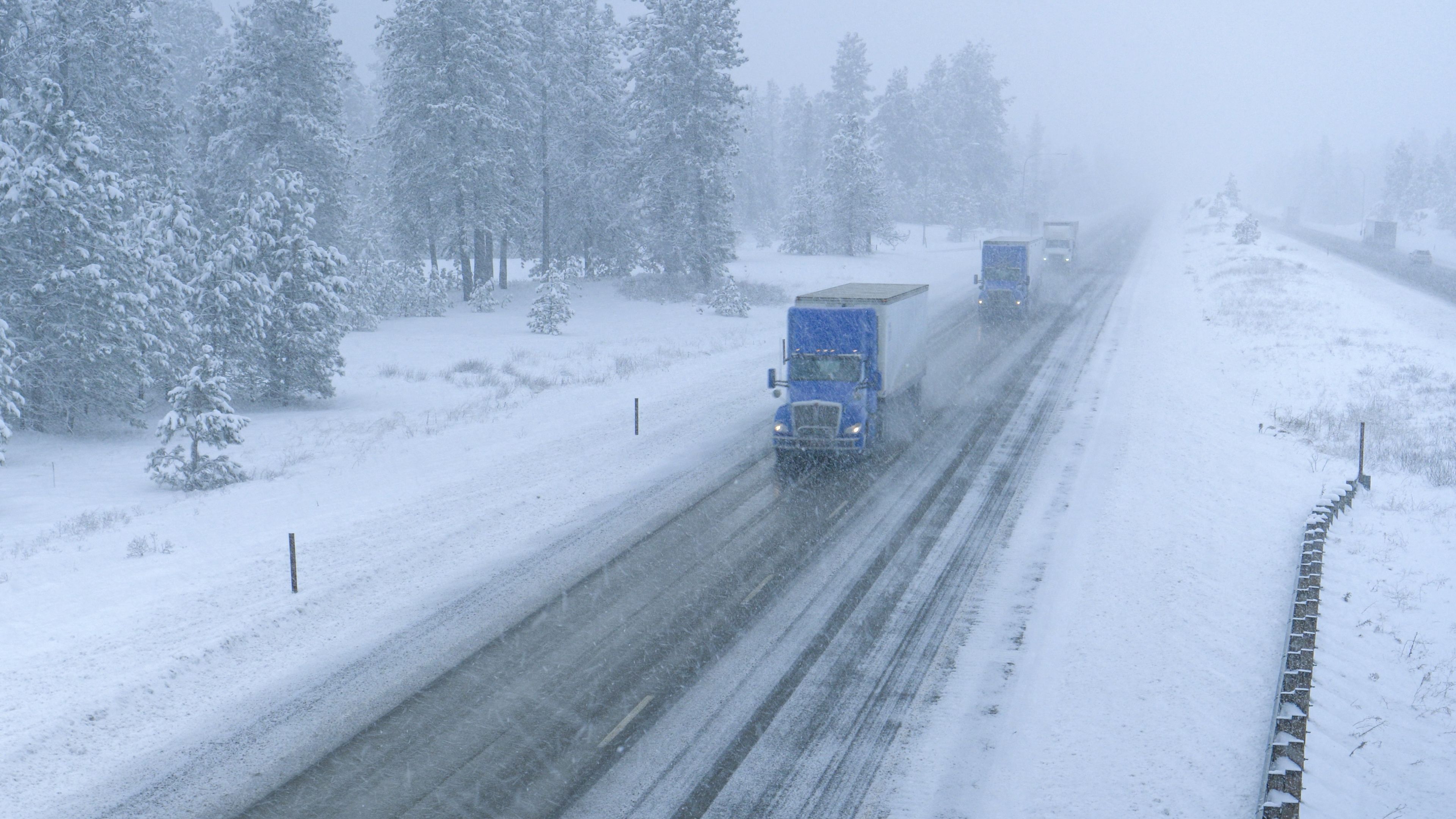
There aren’t many drivers who prefer harsh weather conditions over good. Rain, sleet, snow, ice, winds, you name it – when you’re behind the wheel and Mother Nature is angry, you probably are, too.
The elements make driving tougher and more stressful. Accidents occur more frequently and normally good drivers make split-second decisions based on poor judgment. It’s hard to see, it’s hard to steer, and it’s hard to keep your cool.
With a few pointers, though, you’ll find that driving in bad weather doesn’t have to be a major challenge. Here is our advice for driving through different kinds of conditions.
Rain
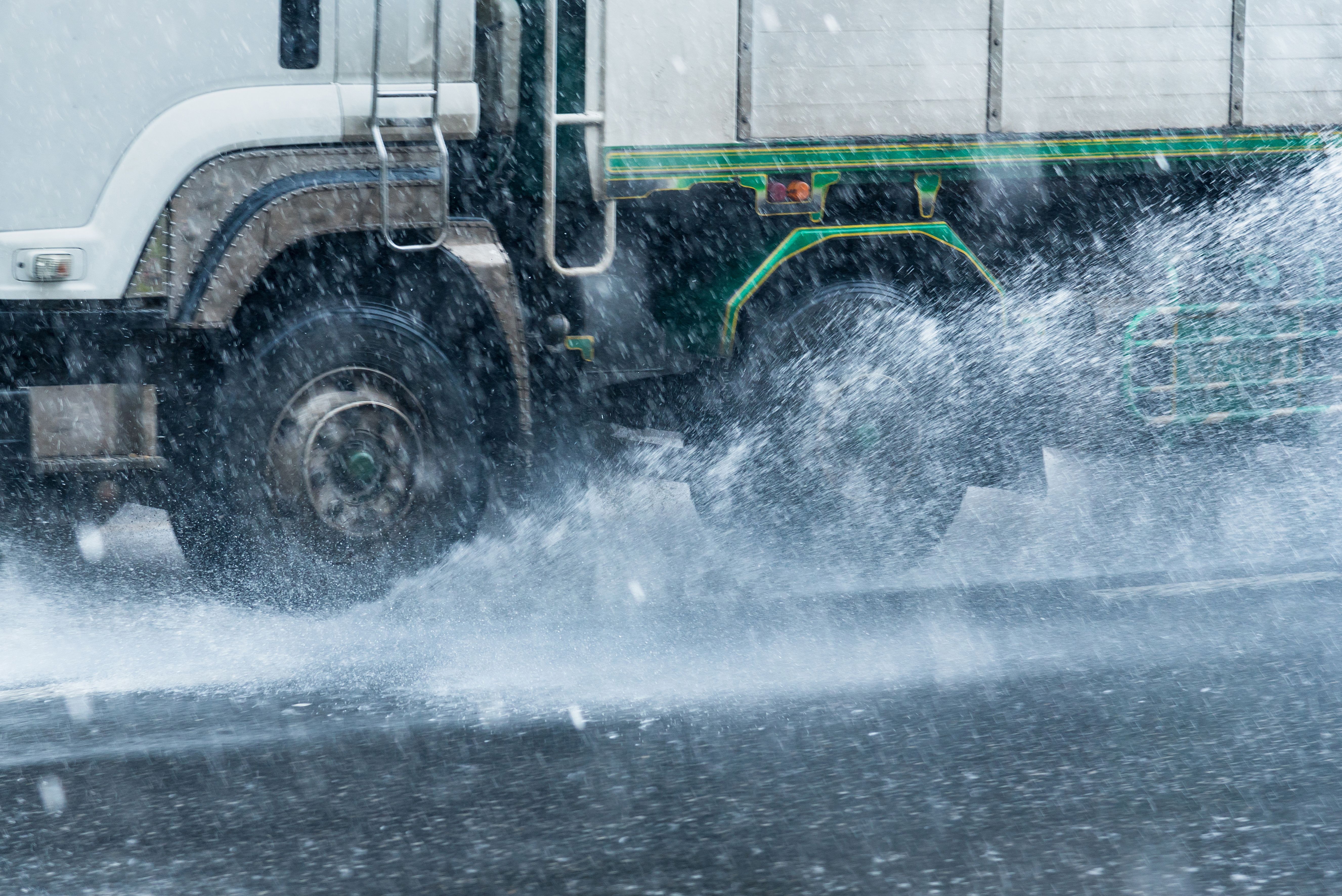
Driving in the rain is unavoidable, so it will be something you should get used to. That doesn’t mean driving in the rain is easy. Wet road conditions can be slick and dangerous. Intersections – where oil and other car fluids mix with the rain – can be especially slick. Slowing down on wet roads can greatly decrease the risk of hydroplaning and crashing. Frequently replacing your wipers ensures your windshield and visibility will keep clear during a rainstorm.
Snow
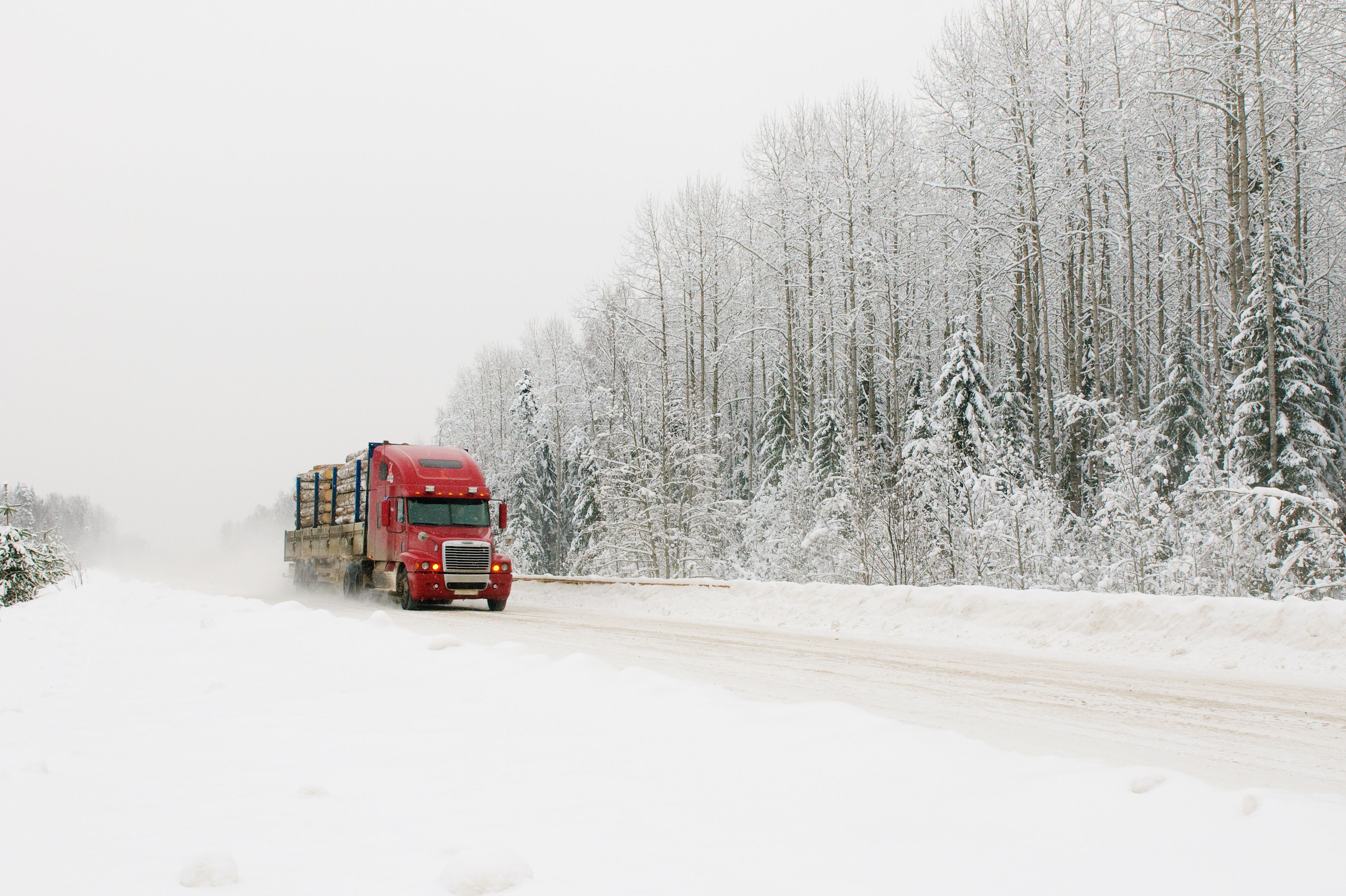
Driving through snow is dangerous, but the chances of spinning out, getting stuck, or wrecking can be slimmed if you focus on the little things. You’ll want to drive slower than you would if the roads were clear. This means coming to a stop will require a little extra thought, too; breaking immediately might cause your wheels to lock up and your vehicle to spin out. Instead, apply light pressure to the breaks from further out to give yourself time to stop. Always remain cautious near bridges, overpasses, and tunnels, as they can freeze before other areas of the road.
Ice
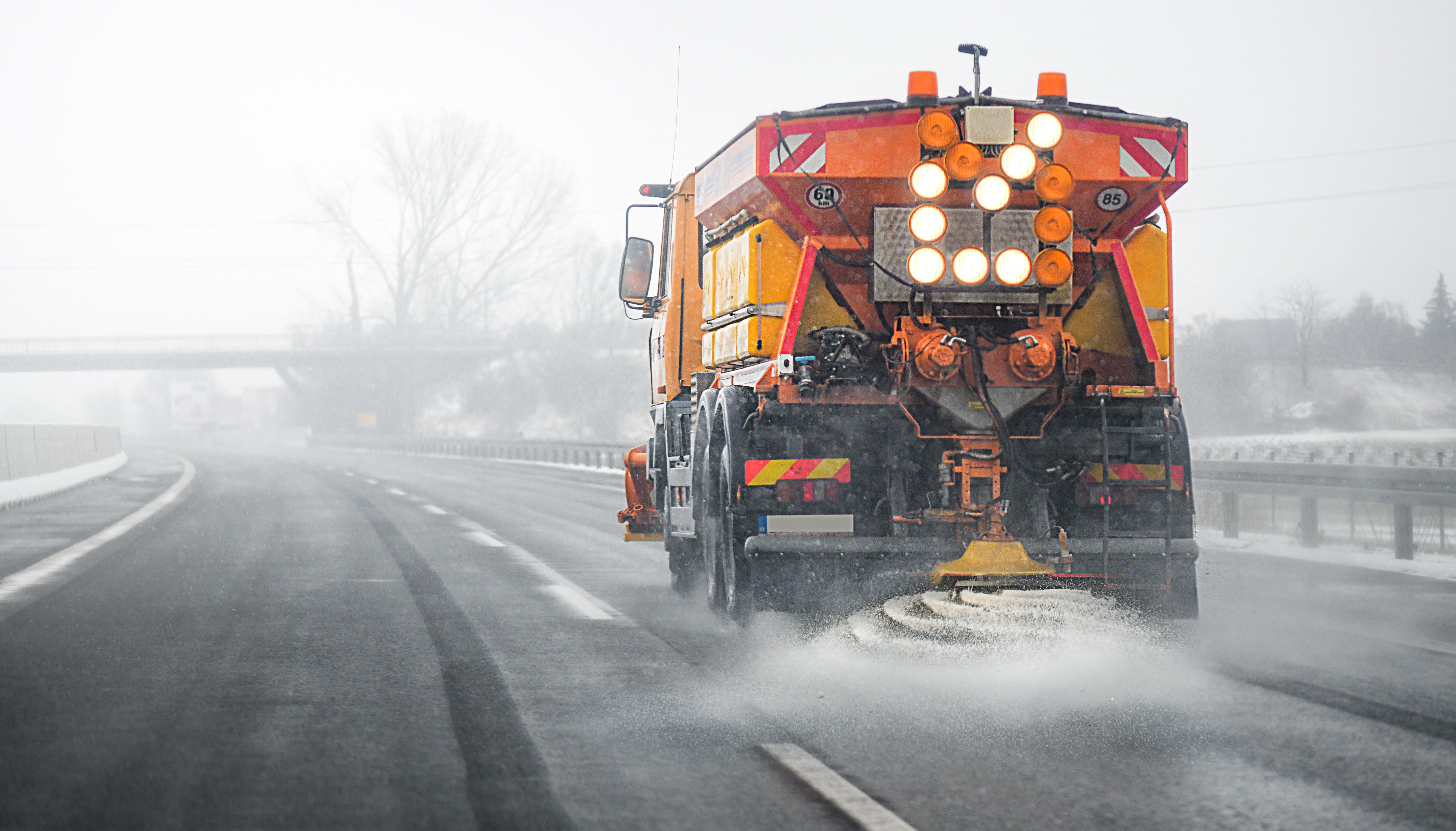
While it may seem similar, driving on ice and driving on snow are two different beasts. Ice – especially black ice – can be hard to see on roadways. If you find yourself on icy roads, it’s best to take it slow – very slow. Any jolting of the steering wheel, sudden breaking, or sudden acceleration can cause you to slide off the road or into other vehicles. Our biggest advice for this one? Avoid icy roads if you can!
Fog
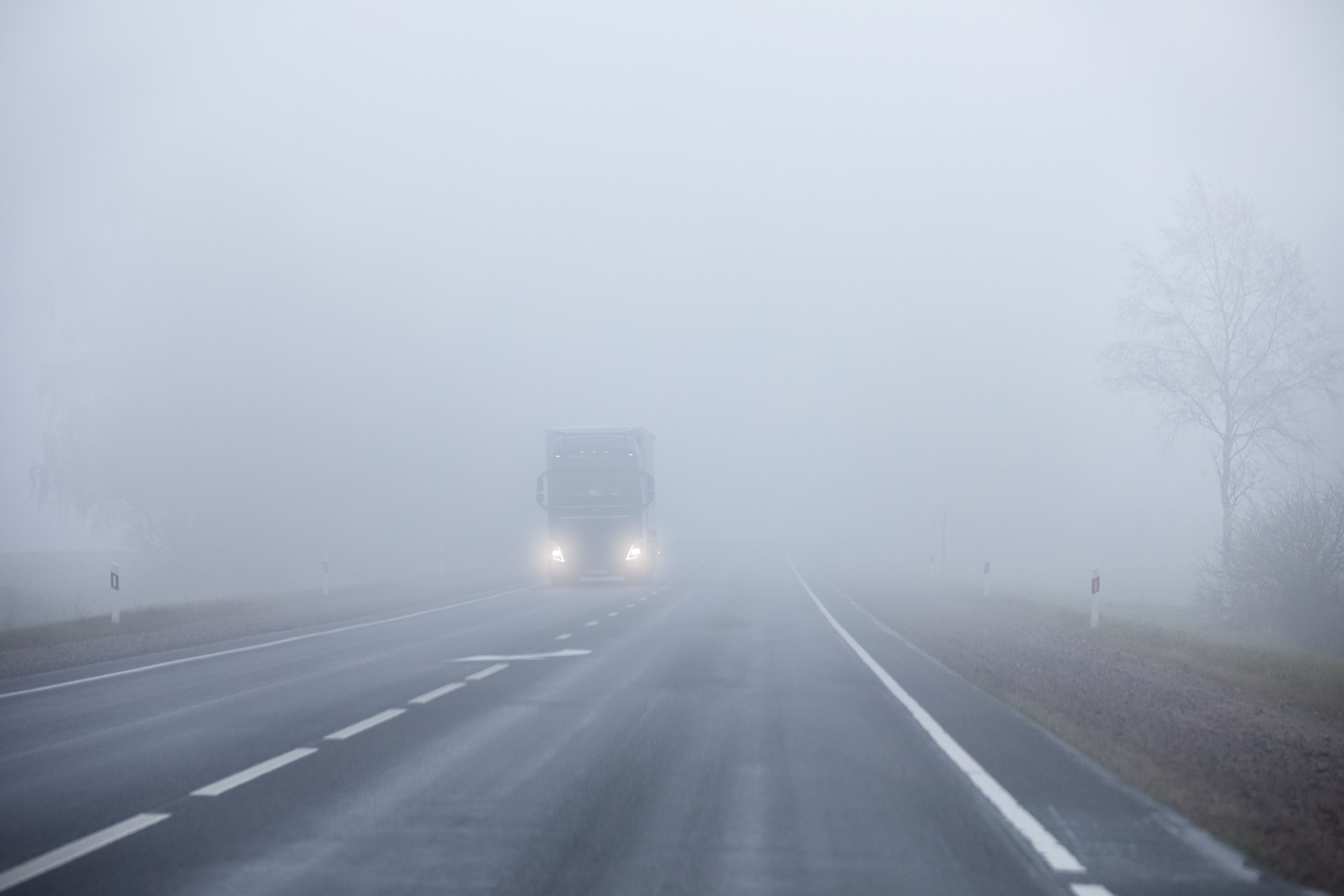
The biggest threats while driving in fog are your surroundings. Your visibility is greatly impaired, and it is difficult to see other drivers, road signs, or obstructions in the road. Take it slow and increase your following distance to avoid collisions with vehicles in front of you. Make sure your headlights are on – not just your daytime running lights. Never use your high beams in fog; your headlights are enough to keep you and your surroundings visible.
High Winds
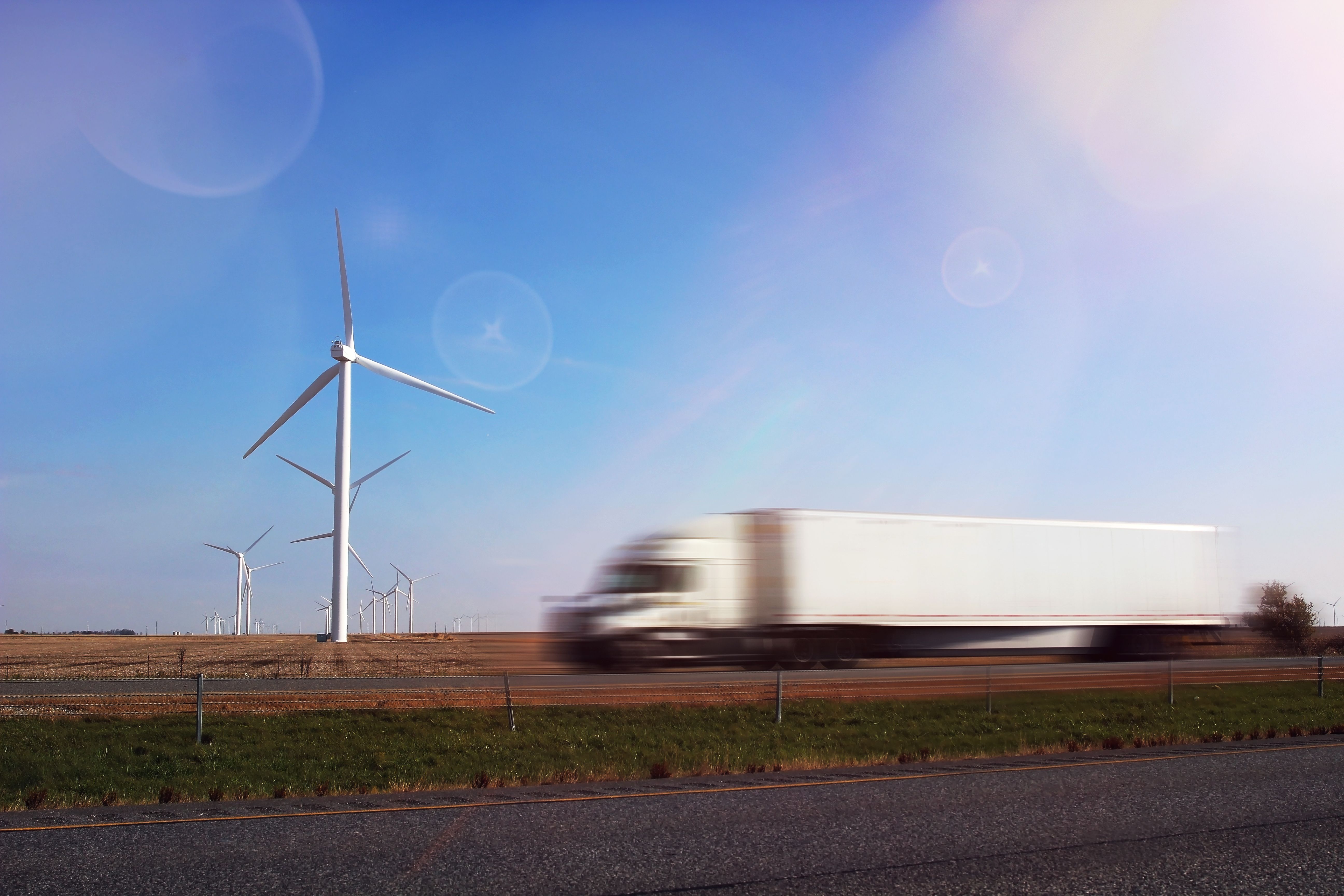
Vehicles with a high profile – ahem, semi-trucks and trailers – aren’t ideal for driving in high-winds. Violent gusts can knock you and your freight around with ease. Slow your driving down and be sure to take turns extra slow. High winds may blow objects into the road, so it’s best to keep your eye out for anything that could do damage to your vehicle.